Lawn Mowing in Rotherhithe
Our lawn mowing in Rotherhithe is designed to keep domestic gardens, shared outdoor spaces and neat front lawns looking controlled, even and presentable. We focus on the practical parts of grass care: regular cutting, tidy edging, careful attention to finish and clear handling of clippings where that is needed. If you want straightforward upkeep rather than a one-off tidy-up, we can support a routine that suits the shape of the lawn and the way the garden is used.
The main service is grass cutting, but good mowing is usually about more than passing a machine over the surface. Height, growth pattern, access, borders and the current condition of the lawn all affect the result. A well-managed cut helps keep the lawn looking balanced across the season, while avoiding the rough patches that can appear when mowing is rushed or set too low. Consistent care often matters more than dramatic intervention.
If you need a quotation, start by sending the lawn size and a brief description of the garden. Then use the details on this site to decide whether you need mowing only, or a broader maintenance visit. For a quick first step, read through the service pages and then request a quotation when you are ready.
Regular mowing and seasonal upkeep
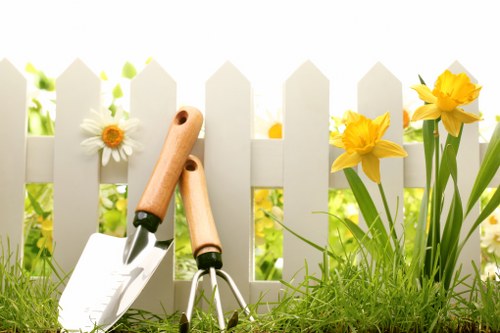
Routine mowing keeps grass looking ordered, but it also shapes how the lawn grows through the season. Longer intervals between cuts can leave a lawn looking uneven and may make the cut less tidy, especially where growth is strong around edges or shaded patches. A regular visit is usually the simplest way to keep a consistent finish, and it reduces the amount of corrective work needed later. The aim is not just shorter grass, but a result that sits naturally within the garden.
We can also fit mowing into a wider maintenance plan when the lawn is part of a garden that needs other small jobs at the same time. Where appropriate, the work can sit alongside hedge trimming, general garden maintenance or light clearance, provided each task is suitable for the site and requested in advance. That makes it easier to keep the whole outside space looking cared for, rather than treating each element separately.
For straightforward upkeep, the focus is on reliable finish and sensible timing. A small lawn with clear access may need very little beyond cutting and edging, while a more enclosed garden may call for a slower approach so the boundaries, steps and narrow paths remain neat. See our services overview to compare the main outdoor work we cover before asking for a quote.
What a mowing visit can include

A mowing visit is usually built around the condition of the grass and the layout of the garden. The most common tasks are cutting the lawn to an appropriate height, refining edges where the mower cannot reach cleanly, and leaving the area in a tidy state once the work is finished. Where the lawn has been left longer than usual, a careful approach is often better than trying to take too much off at once, because that helps preserve the look of the grass.
Some gardens need more attention to the details around paths, fences, borders and hard edges. These are the places that often make the difference between a basic cut and a properly finished lawn. Good edging gives the garden a sharper line, while careful movement around plants and ornaments helps avoid accidental damage. If the space includes awkward corners or narrow runs, the pace of work may be slower, but the finish is usually better for it.
Useful considerations before booking are simple: how large the lawn is, whether the area is easy to reach, and whether you want only mowing or additional tidying as well. If clippings need to be removed, that should be made clear at the quotation stage. For the next step, you can request a quotation once you have checked the service details that matter to your garden.
Edging, tidying and the final finish

The final appearance of a lawn depends heavily on the edges. A neat border can make even a simple cut look sharper, while a rough edge can leave the whole garden feeling unfinished. We pay attention to the places where grass meets paving, beds, fences and paths, because those are the boundaries people notice first. This part of the work is especially useful where the mowing pattern needs to be matched with the structure of the garden rather than treated as a quick pass.
Tidy finishing can also help the lawn sit better with surrounding planting and hard landscaping. If the garden includes a decked area, narrow run of paving or a boundary with overhanging growth, a measured approach helps keep the cut clear and consistent. The point is to keep the grass looking manageable, not to force every lawn into the same pattern. Different gardens need different levels of detail, and that is where good preparation and sensible technique matter.
When planning the work, it is worth thinking about whether your garden needs a simple mow or a more complete tidy-up. Lawn mowing is the core service, but some customers prefer to combine it with a broader maintenance visit when the garden has several areas that need attention. That can be helpful when the lawn is part of an outdoor space that is used regularly and needs to stay presentable.
Areas around the lawn that may need attention

Some gardens benefit from work beyond the grass itself. Overgrown edges, low branches, thick growth near boundaries and cluttered corners can all affect how the lawn is maintained and how easy it is to cut neatly. Where the garden needs more than mowing, it is often better to address the surrounding growth in the same visit so the lawn can be finished properly and the space remains manageable. This is especially useful if access is restricted by shrubs or if the lawn runs into a more neglected section of the garden.
Depending on the site, supportive tasks may include hedge trimming, light clearance or other garden maintenance that helps define the lawn area. These are not automatic extras; they are simply relevant options when the shape of the garden makes them useful. A clear description of what you want done helps ensure the quotation reflects the actual work rather than a generic estimate. If you are unsure, it is usually sensible to list the main issues and let the scope be set from there.
You can also look at garden maintenance if the lawn is only one part of a wider outdoor upkeep plan. That page is useful when you need a more joined-up service rather than a single cut, especially where the grass sits alongside planting, borders and general tidying that all affect the overall appearance.
Why lawn condition matters to the result
Good mowing depends on the lawn’s current condition as much as on the equipment used. Grass that has become patchy, thick, damp or uneven may need a more cautious approach than a straightforward regular cut. Where the lawn has different growth speeds in different areas, a single pass may not produce the same finish everywhere, so the work has to be adjusted to suit the surface. That is normal, and it is why one garden can need a light tidy while another calls for more careful attention.
We aim to keep the result neat without overworking the grass. Cutting too short can leave lawns looking stressed and can make the next growth stage less even. Leaving the grass too long, on the other hand, can make the lawn look untidy and reduce the impact of the rest of the garden. The right approach usually sits somewhere in between, with attention to the height, the season and how the garden is used.
Before you enquire, it helps to note any features that could affect the work, such as steps, narrow access, borders that need protecting or areas that are hard to reach. That sort of detail makes the quotation more accurate and helps the service be planned properly from the start. If your lawn is part of a larger project, see our landscaping services for broader outdoor work that may suit the same property.
Supporting services for fuller garden care
In some gardens, mowing works best as part of a wider package rather than on its own. If the space has become cluttered or if there are trees, dense shrubs or old growth affecting the lawn area, related services can help bring the whole garden back under control. The right combination depends on what is present on site and what the customer wants to achieve, so it is better to be specific rather than assume every job needs the same treatment.
For example, a lawn may need clearing before regular mowing can resume properly, or an overgrown boundary may need attention before the edges can be finished neatly. Where larger branches or unwanted growth are present, you may also wish to review tree lopping and removal as part of a broader plan. That is not part of every lawn visit, but it can be relevant when trees are shading the lawn or creating an untidy perimeter.
If your aim is simply to restore order in a garden that has been left for a while, the most efficient route is usually to define the problem areas clearly. That helps determine whether mowing alone will be enough or whether other work should be included as well.
About Rotherhithe
Rotherhithe is a riverside district in south-east London, on the south bank of the Thames within the London Borough of Southwark. Its history is closely tied to the river, docklands and maritime trade, and that past still shapes the character of the area today. The name is long associated with sailing, shipping and working waterfront life, and many of the streets and local features reflect that heritage. In the nineteenth and twentieth centuries, the district changed as docks and wharves evolved, and later redevelopment brought a mix of housing, public spaces and restored waterside routes.
The area sits beside a broad curve of the Thames and includes sections where the riverfront remains an important part of daily life. Rotherhithe Tunnel, opened in 1908, links the district to the north bank and is one of the better-known transport connections associated with the area. The locality also has a strong network of footpaths and waterside views, with the Thames Path offering a route that follows the river and connects nearby places. Historic buildings and landmarks help give the district a layered feel, including St Mary’s Church, the Mayflower-related heritage often linked with the area, and the Brunel Museum, which reflects its engineering history.
Green space also plays a part in the district’s character, especially where residential streets meet the river or old dockland geography. Russia Dock Woodland is one of the most recognisable natural spaces nearby, and the wider area contains a combination of modern housing, historic streets and regenerated waterside developments. That mix gives Rotherhithe a distinctive identity: part old river settlement, part contemporary residential quarter, with reminders of its maritime past still visible in architecture, place names and the layout of the streets.
Garden sizes, access and site conditions
Every lawn is different, and the ease of mowing often depends on how the garden is arranged. A straightforward, open lawn is usually easier to cut than a garden with tight side access, multiple levels or lots of obstacles. Narrow paths, locked gates, steep steps and fragile planting can all affect how the work is carried out. A good quotation should reflect those practical points so the service matches the site rather than relying on a rough guess.
Some customers need help with a neat regular mow, while others want an occasional visit to restore order after growth has been left for a time. The work can be adapted to suit either situation, as long as the garden conditions are described clearly. If there are items to move, areas to avoid or sections that should be left untouched, it is best to mention them before the job is arranged. That keeps the process simple and prevents avoidable delays on the day.
For related outdoor work, hedge trimming can be useful when boundary planting is affecting the look or reach of the lawn. Keeping the edges and surrounding growth under control often improves the overall presentation of the garden as much as the mowing itself.
Quotations and next steps
A quotation should be based on the actual work required, not just the name of the service. The most helpful details are the lawn size, the general condition of the grass, the level of access and whether you want clipping removal or additional tidying. If the site includes several small lawns or a shared outdoor area, it is useful to say that as well. Clear information leads to a more accurate quotation and makes it easier to decide what should be included.
When comparing options, think about whether you need mowing alone or a wider maintenance schedule. Some properties only need the grass kept short and tidy, while others benefit from a more complete package that also addresses borders, surrounding growth and nearby garden features. If you are preparing a larger outdoor project, you may want to read more about landscape gardening so you can see how grass care fits alongside other planned improvements.
If you are ready to move forward, contact us to request a quotation. You can also review pricing and quotes first if you want to understand how estimates are put together before making an enquiry.
Keeping the lawn in better shape over time
Long-term lawn care is usually easier when mowing is part of a sensible routine. Grass that is cut regularly tends to be more manageable than grass that is repeatedly left too long, and the overall appearance is usually more consistent. That does not mean every garden needs the same interval or the same finish. Growth rate, shade, weather and use all influence how often the lawn should be attended to, so the right approach is the one that fits the site rather than a rigid rule.
Some properties may also benefit from occasional heavier work before a regular pattern can be restored. If the garden has become congested with waste, trimmings or unmanaged growth, garden clearance can help reset the space so mowing becomes simpler again. In other cases, the lawn may already be in good condition and only need a straightforward cut and tidy to maintain the result. The key is to choose the level of service that matches what is actually there.
For a fuller sense of how we work across outdoor tasks, you can also read about us and decide whether the service approach suits your property. Then, when you are ready, ask for a quotation with the details that matter most to your garden.