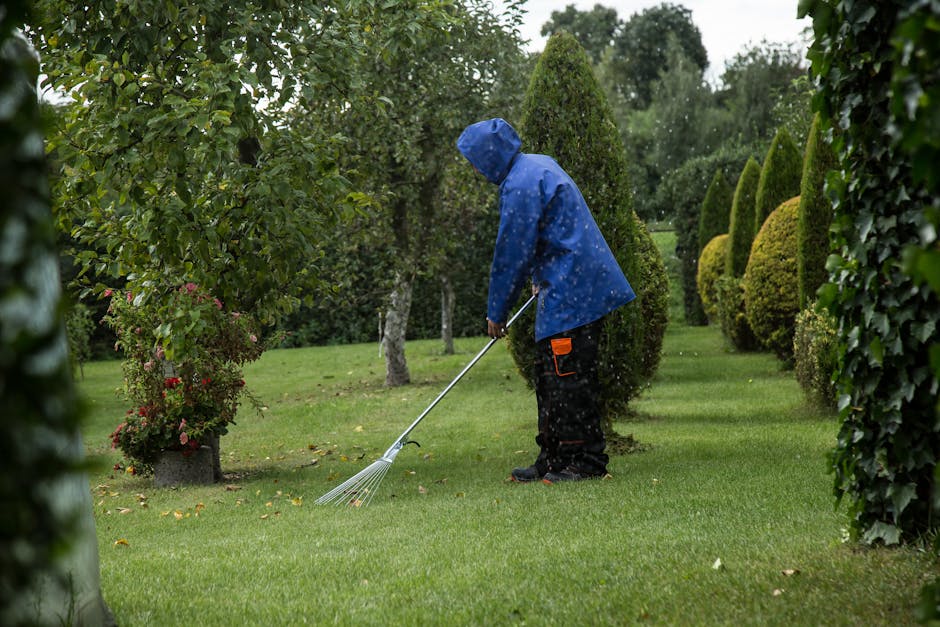
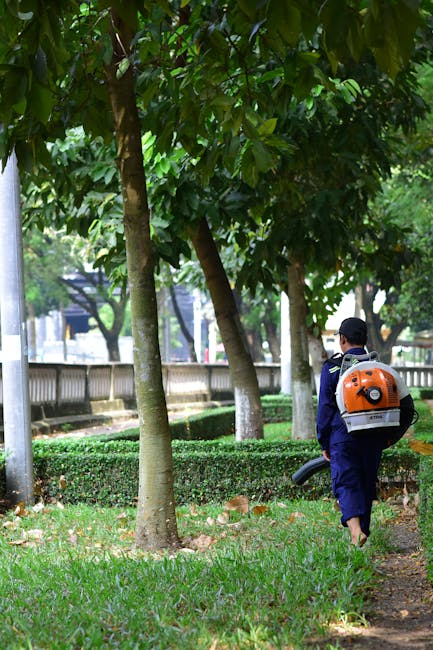
Affordable garden maintenance for Rotherhithe businesses
If you run a shopfront, office, cafe, managed block, hospitality venue, or small business in Rotherhithe, you already know that first impressions happen fast. A tidy hedge, swept path, healthy planting, and a lawn that doesn't look forgotten can make the whole place feel more cared for. That is the real value behind affordable garden maintenance for Rotherhithe businesses: keeping outdoor spaces presentable without turning it into a budget headache.
Truth be told, many business owners only think about exterior maintenance when something starts looking rough. The grass gets leggy after a wet spell, weeds creep along paving, bins get moved about, and suddenly the outside feels a bit tired. This guide breaks down how to keep things under control in a practical way, what a sensible maintenance plan looks like, and how to choose services that give you proper value rather than just the cheapest headline price.
We'll also cover what to ask for, how to compare options, and where trust signals matter. If you want a broader look at available work, you can also explore the services overview and the current pricing and quotes information before you decide what level of support makes sense.
Table of Contents
- Why Affordable garden maintenance for Rotherhithe businesses Matters
- How Affordable garden maintenance for Rotherhithe businesses Works
- Key Benefits and Practical Advantages
- Who This Is For and When It Makes Sense
- Step-by-Step Guidance
- Expert Tips for Better Results
- Common Mistakes to Avoid
- Tools, Resources and Recommendations
- Law, Compliance, Standards, or Best Practice
- Options, Methods, or Comparison Table
- Case Study or Real-World Example
- Practical Checklist
- Conclusion
- Frequently Asked Questions
Why Affordable garden maintenance for Rotherhithe businesses Matters
For a business, outdoor space is not just decoration. It is part of the customer journey. The paving outside your entrance, the border by your window, the weeds along the edge of a car park, even the way the grass is trimmed around signs or railings - all of that quietly tells people whether the place is looked after.
In Rotherhithe, where businesses often operate in compact urban spaces and mixed-use settings, tidy outdoor maintenance matters for a few very practical reasons:
- It supports a professional image. A clean exterior suggests the same care goes into the rest of the business.
- It helps outdoor areas stay usable. Paths, entrances, seating edges, and communal spaces are easier to navigate when they are kept clear.
- It reduces small problems becoming bigger ones. Weeds, overgrowth, moss, and poor drainage around planting areas tend to spread quietly if ignored.
- It can be easier on the budget than reactive fixes. Regular light maintenance is usually more manageable than letting everything pile up and paying for a heavy tidy-up later.
Let's face it, very few businesses want to spend too much on gardens or grounds. But underinvesting can cost more in the long run, especially if visitors are put off by messy approaches or staff have to keep dealing with avoidable mess. A neat entrance after a damp morning, with clipped edges and a swept path, changes the feel of the whole site. Small thing, big difference.
There is also a local angle here. Rotherhithe businesses often sit close to busy roads, foot traffic, wind exposure, and a patchwork of paved and planted areas. That mix creates maintenance issues that are not always dramatic, but they are persistent. Affordable care is about staying ahead of them without overcommitting.
How Affordable garden maintenance for Rotherhithe businesses Works
At its simplest, affordable garden maintenance means setting up a routine that matches your site's real needs. Not every business needs weekly lawn mowing. Not every property needs seasonal planting refreshes. The trick is matching the schedule to the amount of growth, wear, and visibility the site actually has.
A proper maintenance arrangement usually starts with a quick assessment. That might include the size of the outdoor area, the condition of grass or planting, how often the space is seen by customers, and whether there are any access or safety concerns. From there, the provider can suggest a basic service plan. Sometimes that means a simple monthly visit. Sometimes, during the spring and summer, it means more frequent attention. Winter, by contrast, often needs less mowing and more clearing, tidying, and checking for debris.
A practical plan might include:
- lawn mowing or edging where grass areas exist
- hedge trimming and light shaping
- weeding of borders, beds, and hardstanding edges
- leaf clearance and general tidy-ups
- pruning of shrubs or small ornamental plants
- waste collection and responsible disposal
- seasonal checks for areas that need extra attention
Some sites need more than gardening in the traditional sense. A retail forecourt, for example, may need regular sweeping and weed removal from cracks in paving. A managed building may need consistency around shared entrance planting. A hospitality venue may want outdoor areas looking decent before opening hours, not just once in a while. That is where a flexible service matters more than a rigid package.
If you want a sense of how a provider structures these services, the services overview is a useful place to start. And if you are comparing value, the pricing and quotes page can help you understand how a quote is usually approached.
Key Benefits and Practical Advantages
Affordable maintenance is not just about cutting costs. Done properly, it gives you predictable results and less day-to-day hassle. That is usually what business owners actually want, to be fair.
- Cleaner first impressions. People notice tidy edges, fresh mulch, and properly cut grass far more than they notice the maintenance itself.
- Better budget control. A regular plan is easier to forecast than ad hoc emergency callouts.
- Lower risk of avoidable issues. Overgrown planting can block sight lines, collect litter, or make entrances look neglected.
- Less burden on your staff. No one wants office staff improvising with a borrowed strimmer on a Friday afternoon. It happens. It should not have to.
- Seasonal flexibility. Good maintenance can scale up in spring and summer, then ease back when growth slows.
- More consistent standards. Regular visits prevent the "fine one week, wild the next" problem.
There is also a subtle commercial benefit. A well-kept exterior can improve how people feel before they even step inside. If you run a business where trust matters - services, care, property management, hospitality, or retail - this quiet visual cue can support the overall impression of reliability.
And here is something that often gets overlooked: it can help with morale too. Staff walking into a neat, cared-for site generally feel better about where they work. It is not magic, just human nature.
Who This Is For and When It Makes Sense
This kind of maintenance suits a wide range of Rotherhithe businesses, especially those with visible outdoor areas or shared surroundings. If any of the following sounds familiar, it probably makes sense to look at a regular plan rather than one-off fixes.
- Small retailers that want a tidy frontage without spending heavily.
- Cafes, bars, and hospitality venues with outdoor seating or visible planting.
- Offices and professional practices where exterior presentation matters to clients and visitors.
- Managed residential blocks or mixed-use buildings with shared green areas.
- Commercial landlords who need reliable upkeep between tenancies or viewings.
- Schools, community spaces, and small institutions that need predictable, safe, presentable grounds.
It also makes sense when your team is already stretched. If no one has time to weed borders, empty trimmings, or keep an eye on seasonal growth, the site starts slipping. Usually slowly, then all at once. By the time someone says, "we should do something about that," the job is bigger than it needed to be.
If you are unsure whether your site needs a full maintenance plan or just occasional support, look at the practical side first: how visible is the area, how quickly does it get messy, and how much time does your team actually have? If the answer to the last one is "not much," you are not alone.
Step-by-Step Guidance
Here is a sensible way to approach garden maintenance for a business site without overcomplicating it.
- Walk the site properly. Look at entrances, edges, planting beds, paths, bins, and any areas customers or staff use regularly.
- Separate essentials from nice-to-haves. For some businesses, mowing and weeding are the priority. For others, it is hedge work, leaf clearance, or keeping planters neat.
- Decide how often each area needs attention. A high-traffic entrance may need more frequent care than a rear border no one sees.
- Ask for a clear scope. Know what is included, what is not, and what counts as extra work.
- Check how waste will be handled. Green waste should be removed or recycled in a responsible way, not just left in bags somewhere awkward.
- Set expectations for timing. Many businesses prefer work outside opening hours or at quieter times. That is usually manageable if discussed early.
- Review the plan after the first few visits. A good service should be adjusted to fit your site, not the other way around.
A tiny but important point: ask for photographs or notes if you manage the site remotely. It keeps everyone on the same page and avoids that awkward moment where a busy week passes and no one is quite sure what got done. Small detail, huge sanity saver.
If you want to understand service breadth before asking for a tailored quote, the site's services overview gives a useful starting framework.
Expert Tips for Better Results
There are a few habits that make affordable maintenance work far better in the real world. None of them are flashy. All of them help.
1. Keep the scope tight and realistic
Do not overload the contract with everything under the sun. The best value usually comes from a focused plan that covers the areas most visible or most likely to cause issues.
2. Build around the seasons
Spring and early summer often demand more frequent visits because growth speeds up. Autumn usually brings leaves, slippery paths, and more debris. Winter can be lighter, but not zero. Timing matters, obviously.
3. Use maintenance to prevent bigger repairs
It is often cheaper to trim early, weed regularly, and clear debris than to wait for an overgrown or damaged area that needs a major tidy-up.
4. Match the standard to the business type
A law office frontage and a cafe terrace do not need the same look. One may need crisp, minimal presentation; the other may want a softer, welcoming feel. "Professional" looks different from site to site.
5. Ask what happens if weather disrupts the schedule
London weather is, well, London weather. A provider should be able to explain how wet ground, wind, or seasonal conditions affect timing and priorities.
6. Pay attention to waste and cleanliness
A great mow still looks bad if clippings are left behind. Clearance and finishing matter more than people think.
One small human truth: outdoor maintenance is one of those things nobody celebrates when it goes right. But everyone notices when it goes wrong. The quiet win is consistency.
Common Mistakes to Avoid
Many businesses spend more than they need to because they fall into a few very common traps.
- Choosing only on price. The cheapest quote can become expensive if it excludes basics or produces poor results.
- Not defining the site clearly. If a provider does not know which areas matter most, they may spend time in the wrong places.
- Ignoring seasonal change. What works in April may be wrong in November.
- Leaving access issues unresolved. Locked gates, unclear parking, and poor site instructions slow everything down.
- Assuming "garden maintenance" means the same thing everywhere. For some sites it means lawn care. For others, it is mostly tidy-ups, pruning, and weed control.
- Skipping waste disposal questions. If green waste is not handled clearly, the site can end up cluttered or messy after the job is done.
The most frustrating mistake? Paying for visits that do not really solve the problem. That happens when the brief is vague. A decent provider should help refine it, but you will get better value if you know what outcome you want. Neat entrance. Controlled borders. Safe clear paths. Keep it that simple if you can.
Tools, Resources and Recommendations
You do not need to be a gardening expert to make good decisions here. A few practical tools and checks will make the process easier.
What a good provider typically uses
- commercial mowers suited to the site size
- strimmers or edging tools for borders and awkward corners
- hedge trimmers for shaping and reduction work
- hand tools for weeding, pruning, and fine detail
- collection equipment for green waste and debris
What you should ask for
- a clear written quote or scope of work
- details on visit frequency
- confirmation of waste removal and recycling approach
- contact details for the person managing the work
- evidence of appropriate insurance where relevant
Useful website pages to review
Before committing, it is sensible to read through the provider's support pages. For example, their insurance and safety information can help you understand how risk is handled, while the health and safety policy explains the kind of working standards you should expect on-site.
If you care about sustainability - and many businesses do - the recycling and sustainability page is also worth checking. Waste handling, reuse, and disposal are all part of the overall value, not just an afterthought.
For administrative peace of mind, it helps to know how payments are handled too. The payment and security information can be useful if your business works with invoicing or card payments and wants clarity before placing an order.
Law, Compliance, Standards, or Best Practice
Garden maintenance for businesses is not usually complicated from a legal point of view, but there are still sensible standards to follow. The main point is simple: work should be carried out safely, responsibly, and in a way that does not create avoidable risk for staff, visitors, contractors, or the public.
In practical terms, that means a provider should think about:
- safe working practices around tools, access, and moving equipment
- risk awareness for trip hazards, sharp debris, wet surfaces, and traffic around the site
- insurance and accountability in case something goes wrong
- proper waste handling rather than leaving clippings, branches, or bags behind
- clear communication if access, timing, or conditions affect the job
Businesses with shared entrances, residential interfaces, or customer-facing outdoor areas should pay extra attention to safety and access. If your garden or frontage sits near a public walkway, it is wise to make sure the work is planned carefully. A tidy site is lovely; a tidy and safe site is better.
You can review the provider's health and safety policy and insurance and safety details if those assurances matter to your business. They usually should.
And if you have internal procurement checks or supplier standards, you may also want to see the modern slavery statement as part of your normal due diligence. It is not glamorous, but it is part of choosing suppliers responsibly.
Options, Methods, or Comparison Table
Most businesses end up choosing one of three approaches. The right one depends on how visible the site is, how fast it changes, and how much time you want to spend managing it.
| Approach | Best for | Pros | Limitations |
|---|---|---|---|
| One-off tidy-up | Sites that need a reset after neglect or seasonal overgrowth | Quick visual improvement, useful before events or inspections | Does not prevent the problem from returning |
| Light regular maintenance | Small businesses with modest outdoor areas | Budget-friendly, predictable, easy to manage | May not suit complex or high-growth sites |
| Full grounds care plan | Larger sites, managed estates, or busy commercial premises | Comprehensive, consistent, less admin for the client | Costs more, though it can still be good value if the site needs it |
The best option is rarely the one with the most bells and whistles. Often it is the one that fits the site neatly and does not waste time or money on unnecessary extras. A good provider should help you find that middle ground.
Case Study or Real-World Example
Imagine a small cafe in Rotherhithe with a narrow front planting strip, a couple of planters near the entrance, and a rear service area that collects leaves and litter. Nothing dramatic. Just enough that the place starts looking untidy if it is ignored for a few weeks.
At first, the owner tries to handle it in-house. One staff member waters the planters now and then, someone else pulls a few weeds when they remember, and the front edge gets trimmed only when it starts looking a bit wild. It works, sort of. Then summer hits, growth speeds up, and the front starts to look scruffy by Thursday even though it was fine on Monday. That is the pattern most people recognise.
A more affordable maintenance approach would be to schedule:
- regular short visits for weeding and tidy-ups
- occasional trimming for the planting strip
- waste removal after each visit
- more frequent checks during peak growing months
The result is not a dramatic transformation. It is better than that. The exterior stays consistently respectable, staff stop worrying about it, and the owner is no longer reacting at the last minute before a busy weekend. That is what good value usually looks like in the real world: fewer surprises, less mess, more control.
If the site also needs broader service support, it can help to review the wider offering before choosing a package. The services overview gives a clearer sense of how different tasks can be combined without overbuying.
Practical Checklist
Use this simple checklist before you request quotes or agree a maintenance plan.
- Have you identified the areas customers or visitors actually see?
- Do you know which parts are most urgent: lawn, borders, hedges, paths, or planters?
- Have you decided how often the site needs attention through spring, summer, autumn, and winter?
- Do you need work outside opening hours or at specific times?
- Have you asked how waste will be removed or recycled?
- Do you know whether insurance and safety information is available?
- Have you checked how pricing is structured and what is included?
- Will the provider give clear communication if weather changes the schedule?
- Have you considered whether sustainability matters to your business?
- Do you have one person internally who will handle site access and coordination?
One extra tip: keep a couple of site photos on file. Before-and-after images make it much easier to agree what good looks like. Simple, but effective.
Get a free quote today and see how much you can save.
Conclusion
Affordable garden maintenance for Rotherhithe businesses is really about balance. You want a site that looks cared for, but you do not want to overpay for work that does not match your needs. Start with the areas that matter most, agree a clear scope, and build a routine that fits the seasons and the way your business actually operates.
Done well, maintenance becomes one less thing to worry about. The outside stays neat, staff stay focused, and customers get a better impression before they even walk in. That may sound small. It is not small at all.
When the front of your business looks calm and well kept, the whole place feels easier to trust. And that counts for a lot.
Frequently Asked Questions
What does affordable garden maintenance for a business usually include?
It usually includes the essentials: mowing, edging, weeding, hedge trimming, tidy-ups, debris clearance, and green waste removal. The exact scope depends on the site. A good plan focuses on the areas customers and staff actually see, rather than adding unnecessary extras.
How often should a Rotherhithe business book garden maintenance?
That depends on the amount of growth, visibility, and foot traffic. Some sites only need monthly visits, while busier or more visible spaces may need fortnightly or seasonal support. Spring and summer often need more attention than winter.
Is one-off garden clearance better than regular maintenance?
One-off clearance is useful if a site has been neglected or needs a reset. Regular maintenance is usually better value over time because it prevents the space from getting out of hand again. Many businesses use both: a bigger initial tidy-up, then lighter ongoing work.
How do I know if I am overpaying for garden maintenance?
Ask what is included, how often visits happen, and whether waste removal and finishing are part of the price. If a quote is vague, it is hard to judge value. Comparing the actual scope, not just the headline price, is the safest way.
Can garden maintenance be done outside business hours?
Often, yes. Many commercial sites prefer work early in the morning, later in the day, or at quieter times. It is best to confirm access arrangements and any noise sensitivities in advance so the work can fit around operations.
What should I look for in a maintenance provider?
Look for clear communication, a sensible scope, good safety practices, insurance information, and a realistic approach to pricing. It also helps if the provider understands commercial sites, not just domestic gardens.
Do businesses need to worry about health and safety with outdoor maintenance?
Yes, especially if there are shared entrances, public paths, slippery surfaces, or equipment moving on site. Safe working practices, access planning, and clear responsibility matter. You can check a provider's health and safety policy and insurance and safety information for reassurance.
What if my business only has a small front area?
That is often the perfect setup for a simple, affordable plan. Small areas can still make a strong impression, especially if they are the first thing people see. Even a modest planting strip or frontage benefits from regular care.
Can maintenance help with sustainability?
Yes, if waste is handled responsibly and the plan avoids unnecessary work. A provider with a recycling and sustainability approach may be able to reduce waste or dispose of green materials more thoughtfully. It is worth asking.
How do I get a quote without making the process complicated?
Start by sharing the site size, the main issues, how often you want work done, and any access details. A clear quote is much easier to produce when the brief is straightforward. The pricing and quotes page is a sensible place to begin.
What if I am not happy with the service?
If a provider has a clear complaints process, that is a good sign. It means there is a proper route for resolving issues rather than leaving problems to drift. You can also review their complaints procedure before signing up.
Is it worth checking accessibility details for a garden maintenance service?
Yes, especially if you need clear communication, access support, or specific arrangements for site visits. The accessibility statement can help you understand how the service is set up for different users and situations.
Where should I start if I want a broader service package?
Start with the main services page and work back from the outcome you want. If you need general upkeep, trimming, mowing, or seasonal support, the services overview is a sensible first stop. From there, you can decide what fits your site and your budget.