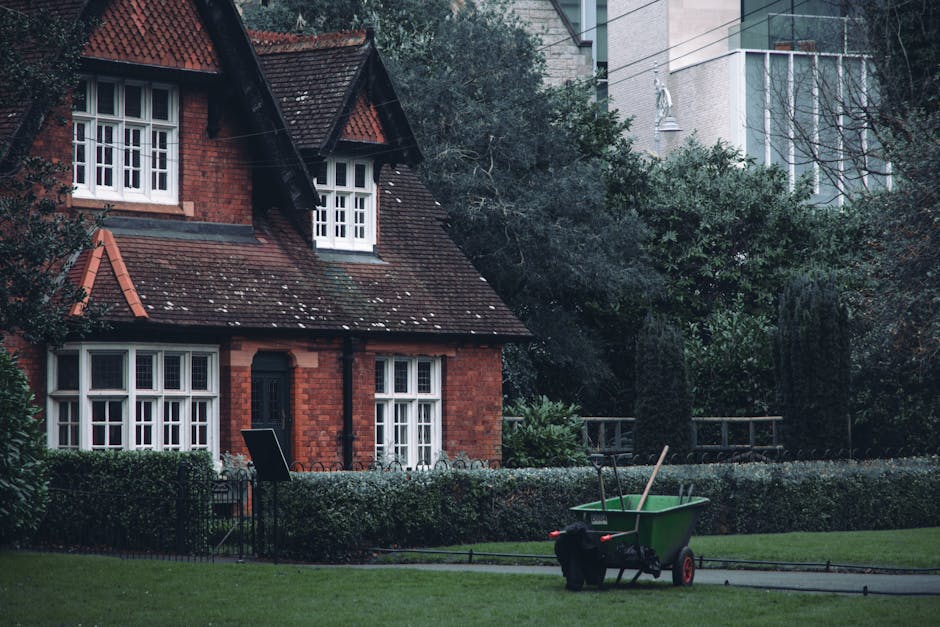
Common problems Rotherhithe gardeners face on steep terraces
Steep terrace gardens can look charming from the kitchen window and feel like a bit of a London secret, but they are rarely simple to maintain. In Rotherhithe, where many outdoor spaces are compact, sloped, awkwardly accessed, or broken into levels, the everyday job of keeping a garden tidy quickly becomes more demanding than people expect. The main common problems Rotherhithe gardeners face on steep terraces usually come down to safety, drainage, access, and the sheer physical effort of working on unstable ground.
If you have ever tried to cut back overgrown borders on a narrow incline while carrying tools uphill, you will know the feeling. A job that takes half an hour on level ground can become a careful, stop-start exercise on a terrace. This guide breaks down the real issues, why they matter, and what sensible solutions actually help. It also shows when a more structured service such as garden maintenance, landscaping, or garden clearance may be the better route.
Think of this as a practical field guide for anyone dealing with sloping patios, terraced steps, layered beds, and those neat-but-tricky outdoor spaces that Rotherhithe does so well.
Table of Contents
- Why this matters on steep terraces
- How the work changes on a slope
- Key benefits of getting it right
- Who this is for
- Step-by-step guidance
- Expert tips for better results
- Common mistakes to avoid
- Tools, resources and recommendations
- Law, compliance, standards and best practice
- Options and comparison
- Case study or real-world example
- Practical checklist
- Conclusion
- Frequently asked questions
Why Common problems Rotherhithe gardeners face on steep terraces Matters
It matters because slope changes everything. On a flat garden, you can move freely, stack material nearby, and work in a steady rhythm. On a steep terrace, every step is more deliberate. The ground may be narrow, slippery after rain, or split by retaining walls, steps, and raised beds. That means more time, more fatigue, and more chances for things to go wrong.
For local homeowners, landlords, and tenants, these issues are not just an inconvenience. They can affect the long-term condition of the garden. If water drains badly, plants may fail. If access is awkward, hedges and lawns get neglected. If pathways are unstable, the whole area can start to feel unsafe and underused. And, to be fair, no one enjoys dragging a mower up a slope on a damp Wednesday morning while trying not to twist an ankle.
There is also a visual impact. A terrace garden that is not managed well can quickly look smaller, darker, and more cluttered than it really is. That is the opposite of what many people want from a London outdoor space. Good maintenance helps a steep garden feel calmer and much more usable.
Expert summary: the main challenge is rarely just plant care. It is the combined pressure of access, drainage, slope stability, and safe working conditions. Once those are handled properly, the rest becomes much more manageable.
How Common problems Rotherhithe gardeners face on steep terraces Works
Working on a steep terrace is less about brute force and more about sequencing. You have to think about the garden in layers. First comes safe access. Then comes waste removal. Then the planting, edging, mowing, trimming, or structural repair. If you skip straight to the visible work, you often create more mess and more risk.
Here is what typically changes on a slope:
- Movement is slower: tools and bags need to be carried carefully, especially on narrow steps or uneven paving.
- Ground conditions vary: one section might be firm while another is soft, chalky, or slippery after rain.
- Water behaves differently: runoff can wash mulch downhill, expose roots, or pool at the base of walls.
- Planting choices matter more: plants must cope with drainage swings, sun exposure, and wind funneling between buildings.
- Standard tools may be awkward: a large mower or hedge cutter can be cumbersome where space is tight.
In practice, the work becomes a mix of assessment and control. A gardener may start by clearing loose debris, checking step edges, cutting back overgrowth that blocks movement, and only then moving into trimming or planting. This is why services like lawn mowing and hedge trimming can look straightforward on paper but take more planning on real terraces.
One useful mental model is this: on a slope, the garden is not just a surface. It is a system. Soil, drainage, access routes, retaining edges, and plant health all affect each other.
Key Benefits and Practical Advantages
When a steep terrace is maintained properly, the benefits show up quickly. You notice it in how easy the garden feels to use, but also in how little emergency work is needed later. The gains are practical rather than glamorous, which is usually how good garden care works anyway.
- Safer movement: clear steps, stable edges, and tidy surfaces reduce slips and trips.
- Better drainage: less erosion and fewer wet patches around planting areas and paths.
- Healthier plants: roots are less likely to rot or dry out in uneven conditions.
- Lower maintenance stress: regular, smaller jobs are easier than big, neglected ones.
- Improved appearance: compact terraces can look surprisingly spacious when clutter is removed.
- Better use of vertical space: levels, planters, and screening can make the garden feel more intentional.
There is another advantage that is easy to miss: a well-managed slope makes future work easier. That may sound obvious, but it is often the difference between a quick tidy-up and a full reset. If overgrowth is allowed to spill across steps or walls, the next visit becomes harder. If the garden is kept in shape, everything stays more predictable.
People often assume steep gardens are automatically high-maintenance. Not always. They are high-attention. That is a useful distinction.
Who This Is For and When It Makes Sense
This topic is relevant to a fairly wide group in Rotherhithe and similar parts of London. If your outside space has more than one level, a significant incline, or awkward access from the house, you will probably recognise at least a few of the challenges described here.
- Homeowners with terraced or split-level gardens
- Landlords preparing a property between tenancies
- Busy families who want the garden tidy without constant weekend effort
- Older residents who find steep steps and carrying tools increasingly difficult
- People with mature planting that has become overgrown or unbalanced
- Anyone who has had a near-miss on a wet step or uneven landing
It makes sense to get professional help when the garden is becoming a safety issue, when the slope is physically tiring to manage, or when a one-off clean-up is no longer enough. In those situations, a structured service such as services overview can help you work out whether regular care, a full clearance, or a more design-led approach is the right fit.
And yes, sometimes the honest answer is that you are not dealing with a "quick tidy" at all. You are dealing with an awkward site that needs a proper plan.
Step-by-Step Guidance
If you are tackling a steep terrace, the safest and most efficient approach is usually methodical. Here is a practical order that works well in real gardens.
- Walk the site slowly. Check where the steepest points are, where surfaces feel loose, and where water tends to run after rain.
- Clear obvious hazards first. Remove fallen branches, loose pots, hidden edging, and any clutter blocking access.
- Test access routes. Make sure the route for carrying tools and waste is as direct as possible. Do not improvise with a heavy bag and a narrow step if you can avoid it.
- Deal with overgrowth next. Cut back what is obstructing movement, shading paths, or leaning into the terrace.
- Address drainage and erosion. Re-seat loose soil, refresh mulch carefully, and make sure water has somewhere safe to go.
- Only then move to detail work. Trim edges, tidy beds, mow where practical, and shape plants with the slope in mind.
- Finish with a second safety check. Look for slippery patches, unstable stepping stones, and anything you might miss when tired.
If the garden is severely overgrown, a service such as garden clearance may be the better first step before routine maintenance can begin. Truth be told, some terraces need a reset before they need refinement.
A small but useful habit: work from the top down when possible. That way, cuttings and debris are moved away from finished areas rather than dragged across them. It sounds basic, but it saves time and a fair bit of cursing.
Expert Tips for Better Results
A few practical habits make a steep terrace much easier to manage. These are the kinds of things experienced gardeners tend to learn by doing.
- Use lighter loads more often. Smaller buckets or bags are safer than overfilled ones on stairs.
- Choose plants that match the site. Tough, drought-tolerant or shade-tolerant planting is often better than fussy species that struggle on a slope.
- Keep edges visible. Overgrown edges make steps harder to judge, especially in the evening or on dull days.
- Check drainage after heavy rain. A terrace can look fine on a dry day and then reveal all its weak points after a downpour.
- Prune for access, not just appearance. Cutting back one awkward branch can improve day-to-day use more than a full decorative trim.
- Regular little jobs beat heroic weekend sessions. Honestly, that is true for most gardens, but especially for steep ones.
If trees are throwing too much shade or dropping debris onto the terrace, tree lopping and removal may be part of the wider solution. Overhanging growth can make a slope feel darker, wetter, and harder to keep under control.
One more thing: do not underestimate the effect of good timing. A wet morning in January is not the moment for ambitious regrading. Sometimes the smartest move is simply to wait for safer conditions.
Common Mistakes to Avoid
Most problems on steep terraces are made worse by a handful of very common mistakes. The good news? They are avoidable once you know what to look for.
- Ignoring drainage until it becomes a visible problem. By then, soil washout and slippery patches may already have started.
- Using oversized tools in cramped spaces. What works on a flat lawn can become clumsy and unsafe on a terrace.
- Allowing cuttings to build up on steps. Even a small pile can become a slip hazard.
- Trimming only what is obvious from above. Hidden growth near retaining walls or under shrubs can cause blockages later.
- Letting plants outgrow the space. A terrace garden can lose its structure quickly if planting is not kept in proportion.
- Taking shortcuts with heavy waste. Carrying too much at once is exactly how back strain and spills happen.
A slightly less obvious mistake is treating a steep terrace like a decorative space only. It is also a working surface. If the function is neglected, the look tends to go downhill with it. No pun intended, but there it is.
If you are trying to restore order after months of build-up, a measured approach often works better than trying to do everything in one go. Pairing tidy-up work with ongoing garden maintenance usually gives better results than irregular big cleans.
Tools, Resources and Recommendations
You do not need a mountain of specialist kit, but the right tools make a steep terrace much more manageable. The priority is control, not brute strength.
| Task | Useful approach | Why it helps on a slope |
|---|---|---|
| Clearing debris | Lightweight rake, hand fork, sturdy bags | Easier to move material safely in smaller loads |
| Cutting back overgrowth | Hand pruners, long-reach trimmer where appropriate | Better control in narrow or stepped areas |
| Maintaining borders | Edging tool, hand trowel, compact spade | Lets you work close to walls and steps |
| Lawn care | Small, manoeuvrable mower if the layout allows it | Reduces awkward lifting and turning |
| Waste removal | Frequent bagging and staged disposal | Prevents piles becoming trip hazards |
Where the layout is tight or the garden has become heavily neglected, it may be more sensible to call in help than to keep battling with the wrong kit. That is especially true if the terrace has broken paving, unstable sleepers, or a lot of layered waste. A professional team can also advise on longer-term changes through landscape gardening or more structural landscaping.
For readers comparing options, a sensible next read is the site's pricing and quotes page, which is useful if you are trying to budget for a one-off job versus ongoing upkeep.
Law, Compliance, Standards and Best Practice
On a domestic terrace, you are usually not dealing with anything exotic or highly regulated, but best practice still matters. Safe working is important, especially where steps, edges, and shared access are involved. If you are hiring help, it is reasonable to expect a provider to work safely, carry suitable insurance, and use methods that reduce risk to people and property.
In practical terms, that means a few things:
- Paths and access routes should be kept reasonably clear while work is underway.
- Tools should be used in a controlled way, not in a rushed or improvised fashion.
- Waste should be managed so it does not block exits, steps, or shared areas.
- Any structural concerns, such as loose retaining edges or unstable paving, should be flagged rather than ignored.
For peace of mind, it is sensible to review a provider's approach to health and safety policy and insurance and safety before work starts. That is not being fussy. It is just normal due diligence.
There are also broader expectations around responsible waste handling and tidy working practices. If you are clearing a lot of material from a steep terrace, a company's recycling and sustainability approach can be a useful sign that they manage jobs with care rather than simply tipping everything into the nearest skip and moving on.
Options, Methods, or Comparison Table
Not every steep terrace needs the same approach. Some only need steady maintenance. Others need a one-off rescue, or even a redesign to make the space work properly. Here is a simple comparison.
| Approach | Best for | Pros | Limitations |
|---|---|---|---|
| Routine maintenance | Managed terrace gardens that are already in reasonable shape | Keeps the slope safe, tidy, and predictable | Won't fix deeper drainage or layout issues |
| Garden clearance | Overgrown, cluttered, or abandoned spaces | Creates a clean starting point | Not a long-term solution by itself |
| Targeted landscaping | Terraces with poor layout, awkward steps, or erosion problems | Can improve usability and reduce future hassle | Needs planning and a realistic budget |
| Decking or level changes | Areas where flat, stable surfaces are needed for seating or access | Can make movement easier and improve comfort | Should be designed carefully so drainage is not made worse |
For some gardens, the best answer is a combination. A little clearance, then regular upkeep, then a design fix where needed. That layered approach is often far more effective than trying to solve everything with one dramatic intervention.
If decking is part of the plan, make sure it is considered alongside the slope, not just placed on top of it. The decking services page may be helpful if you are exploring that kind of improvement.
Case Study or Real-World Example
Picture a typical Rotherhithe terrace: two levels, a narrow side return, some patchy lawn near the top, and a lower paved seating area that collects leaves after windy weather. At first glance it seems manageable. Then the problems start to stack up. The lawn gets left because the mower is awkward on the incline. A shrub begins leaning into the path. Rain washes soil onto the steps. Before long, the lower terrace is always a bit muddy and the top section is overgrown enough to make access uncomfortable.
A sensible response would not be to attack everything at once. First, clear the steps and path edges. Then cut back the obstructive growth. After that, remove waste and check whether water is being directed downhill too aggressively. Finally, decide whether the layout needs a longer-term fix, such as a more defined planting scheme or improved hard landscaping.
That sort of approach changes the whole feel of the space. The garden becomes easier to move through, easier to clean, and easier to enjoy. You can actually sit out there without mentally cataloguing every hazard. Small victory, but a real one.
In real life, this is often where people stop seeing the garden as "difficult" and start seeing it as simply "managed".
Practical Checklist
Use this quick checklist before and during work on a steep terrace. It is simple, but it catches a lot.
- Are steps, edges, and paths clear enough to move safely?
- Is there any loose paving, unstable edging, or obvious trip risk?
- Have you identified where water runs after rainfall?
- Are overhanging shrubs or branches blocking access?
- Do the tools you plan to use suit the space?
- Can waste be moved in lighter, safer loads?
- Are the plants suitable for a slope and the amount of light available?
- Does the garden need clearance before maintenance can begin?
- Would a landscaping change solve repeated problems more permanently?
- Have you considered whether professional help would save time and reduce risk?
If you can tick most of those off, you are in a much better position. If not, that is fine too. It just means the garden needs a more structured plan rather than a quick tidy.
Conclusion
The common problems Rotherhithe gardeners face on steep terraces are rarely dramatic on their own, but together they can make a garden feel harder, riskier, and less enjoyable than it should be. Access becomes awkward. Drainage starts to misbehave. Overgrowth creeps into steps and paths. And the whole space can slide from charming to frustrating before anyone notices.
The good news is that steep terraces are manageable when you treat them as working landscapes rather than flat lawns with a few steps added for decoration. Safer movement, smarter plant choice, regular maintenance, and practical planning all make a genuine difference. Sometimes the answer is simple upkeep; sometimes it is clearance or landscaping. Often it is a bit of both.
Whatever the starting point, steady action beats procrastination. A terrace garden does not need perfection. It needs care, attention, and a plan that fits the slope.
Get a free quote today and see how much you can save.
If you would like to learn more about the team behind these services, visit the about us page or get in touch through contact us when you are ready to talk through your garden's needs.
Frequently Asked Questions
What are the most common problems on steep terrace gardens in Rotherhithe?
The biggest issues are usually poor access, slippery steps, drainage problems, overgrowth, and the difficulty of moving tools and waste safely across a slope. Those factors tend to feed into each other.
Why is maintenance harder on a terraced slope than on a flat garden?
Because every task takes more planning. You have to think about balance, carrying weight, where clippings will fall, and whether the ground is safe after rain. It is a lot less forgiving than level ground.
Can a steep terrace still have a lawn?
Yes, in some cases, but lawn care needs to be realistic. If the slope is too awkward or access is poor, a smaller lawn section or a different surface may be more practical. A good assessment helps here.
How do gardeners stop soil from washing downhill?
They usually look at drainage first, then stabilise the soil with better planting, edging, or small structural changes. Mulch can help, but only if it is used carefully and not treated as a permanent fix.
Is garden clearance a sensible first step for an overgrown terrace?
Very often, yes. If the space is blocked by debris, heavy growth, or years of build-up, clearance creates the breathing room needed for proper maintenance to begin.
What should I do if my terrace steps feel unsafe?
Stop using them for heavy carrying until they are checked. Loose paving, slick surfaces, or broken edges should be addressed before regular garden work continues.
Do steep terrace gardens need different plants?
Usually they do. Plants that cope well with exposure, drier pockets, or uneven moisture levels tend to perform better than delicate varieties that want perfectly even conditions.
How often should a steep terrace be maintained?
It depends on the garden, but smaller, regular visits are usually better than leaving everything until it becomes a big job. On a slope, neglect escalates quickly. Faster than people expect.
When does landscaping make more sense than maintenance alone?
If the same problems keep returning, such as drainage washout, poor access, or awkward levels, landscaping can be the smarter long-term option. Sometimes the layout needs changing, not just tidying.
What safety checks should be done before working on a steep terrace?
Check for loose surfaces, wet steps, hidden obstacles, overhanging growth, and safe routes for carrying waste. A quick walk-through can prevent most avoidable mishaps.
Can a professional help with both the tidy-up and the redesign?
Yes. In many cases, the best outcome comes from combining routine care with more considered improvements. That may include garden maintenance, landscaping, or even decking if a flatter usable area is needed.
How do I know whether I need one-off help or ongoing maintenance?
If the garden is already under control, ongoing maintenance may be enough. If it has become overgrown, cluttered, or unstable, a one-off reset first is usually the better call, followed by regular care after that.